


Headline
Prioritizing effective biosecurity practices for controlling and eradicating porcine reproductive and respiratory syndrome (PRRS) using machine learning—Highlighting the importance of strategic biosecurity measures tailored to farm goals—
Summary
A research group led by Associate Professor Yosuke Sasaki of the School of Agriculture at Meiji University and Shoki Akiyama (second-year master’s student) of the Graduate School of Agriculture at the same university analyzed measures for "Porcine Reproductive and Respiratory Syndrome (PRRS)" on Japanese swine farms using machine learning algorithms. The results revealed that the biosecurity practices (hygiene management) that should be prioritized differ significantly between "Control," which suppresses PRRS to a certain level, and "Eradication," which completely eliminates the virus. The results of this study serve as an important guideline for swine farmers when deciding how to preferentially allocate limited resources according to their own goals (control or eradication). This research result was published in the international academic journal Preventive Veterinary Medicine.
Background of the Research
PRRS is an infectious disease that causes reproductive failure in sows and respiratory symptoms in piglets, leading to substantial economic losses in the global swine industry. Thorough "biosecurity" to prevent virus entry is essential for countermeasures against this disease, but management items are diverse, and prioritizing which measures are particularly important has been difficult.
Research Methodology and Results
This study analyzed data on the implementation status of biosecurity on 258 domestic farms using a machine learning model (Random Forest). Study 1 (Control Model) defined the state where PRRS is stable or negative as "Control" and extracted relevant factors , while Study 2 (Eradication Model) defined the state where PRRS is completely negative as "Eradication" and extracted relevant factors. As a result of the analysis, the most important measures (features) for each objective were identified.
Important Elements for PRRS "Control"
Semen Management (Top Priority): Checking the PRRS status of the semen resource farm and managing purchased semen.
Maintenance of Barn Environment: Monitoring respiratory signs in weaned pigs, ensuring sufficient drying time after disinfection in barns, and injection needle management protocols.
Important Elements for PRRS "Eradication"
Stringent Management of Replacement Gilts (Top Priority): Introduction from PRRS-negative farms and implementation of appropriate acclimation programs.
Semen Purity: Using only semen from PRRS-free sources. F
arm Location Conditions: Understanding regional infection risks, such as the number of farms within a 3 km radius.
Particularly for "Eradication," it was suggested that different strategies should be used depending on the location; for example, in areas with many neighboring farms, the risk of airborne transmission of the virus increases, so it may be more advisable to focus on "Control" rather than rushing for eradication.
Future Expectations
This study utilized machine learning to visualize "truly priority measures" suited to actual Japanese field conditions from among vast and complex biosecurity items. This allows producers to implement more efficient and effective PRRS measures tailored to their farm's situation and goals, which is expected to contribute to improved productivity and economic stability at swine production sites.
Paper Information
Title:Biosecurity practices useful for porcine reproductive and respiratory syndrome control and eradication on commercial swine farms using machine learning models
Authors:Shoki Akiyama, Yosuke Sasaki
Journal:Preventive Veterinary Medicine
DOI: 10.1016/j.prevetmed.2025.106764
Prioritizing effective biosecurity practices for controlling and eradicating porcine reproductive and respiratory syndrome (PRRS) using machine learning—Highlighting the importance of strategic biosecurity measures tailored to farm goals—
Summary
A research group led by Associate Professor Yosuke Sasaki of the School of Agriculture at Meiji University and Shoki Akiyama (second-year master’s student) of the Graduate School of Agriculture at the same university analyzed measures for "Porcine Reproductive and Respiratory Syndrome (PRRS)" on Japanese swine farms using machine learning algorithms. The results revealed that the biosecurity practices (hygiene management) that should be prioritized differ significantly between "Control," which suppresses PRRS to a certain level, and "Eradication," which completely eliminates the virus. The results of this study serve as an important guideline for swine farmers when deciding how to preferentially allocate limited resources according to their own goals (control or eradication). This research result was published in the international academic journal Preventive Veterinary Medicine.
Background of the Research
PRRS is an infectious disease that causes reproductive failure in sows and respiratory symptoms in piglets, leading to substantial economic losses in the global swine industry. Thorough "biosecurity" to prevent virus entry is essential for countermeasures against this disease, but management items are diverse, and prioritizing which measures are particularly important has been difficult.
Research Methodology and Results
This study analyzed data on the implementation status of biosecurity on 258 domestic farms using a machine learning model (Random Forest). Study 1 (Control Model) defined the state where PRRS is stable or negative as "Control" and extracted relevant factors , while Study 2 (Eradication Model) defined the state where PRRS is completely negative as "Eradication" and extracted relevant factors. As a result of the analysis, the most important measures (features) for each objective were identified.
Important Elements for PRRS "Control"
Semen Management (Top Priority): Checking the PRRS status of the semen resource farm and managing purchased semen.
Maintenance of Barn Environment: Monitoring respiratory signs in weaned pigs, ensuring sufficient drying time after disinfection in barns, and injection needle management protocols.
Important Elements for PRRS "Eradication"
Stringent Management of Replacement Gilts (Top Priority): Introduction from PRRS-negative farms and implementation of appropriate acclimation programs.
Semen Purity: Using only semen from PRRS-free sources. F
arm Location Conditions: Understanding regional infection risks, such as the number of farms within a 3 km radius.
Particularly for "Eradication," it was suggested that different strategies should be used depending on the location; for example, in areas with many neighboring farms, the risk of airborne transmission of the virus increases, so it may be more advisable to focus on "Control" rather than rushing for eradication.
Future Expectations
This study utilized machine learning to visualize "truly priority measures" suited to actual Japanese field conditions from among vast and complex biosecurity items. This allows producers to implement more efficient and effective PRRS measures tailored to their farm's situation and goals, which is expected to contribute to improved productivity and economic stability at swine production sites.
Paper Information
Title:Biosecurity practices useful for porcine reproductive and respiratory syndrome control and eradication on commercial swine farms using machine learning models
Authors:Shoki Akiyama, Yosuke Sasaki
Journal:Preventive Veterinary Medicine
DOI: 10.1016/j.prevetmed.2025.106764
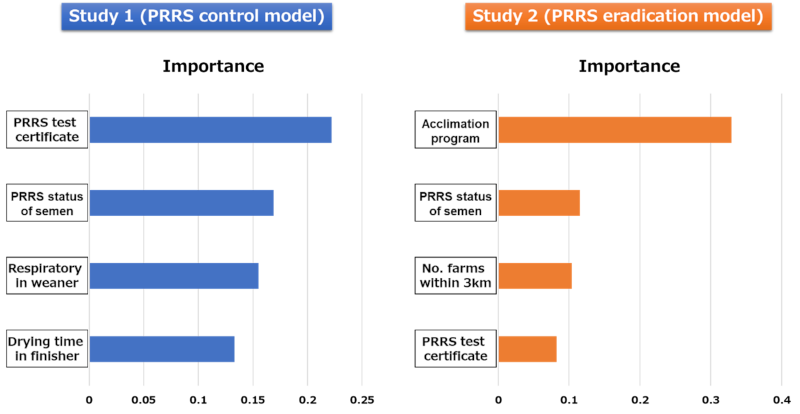
Fig 1. Top 4 important features identified in Study 1 (Control model) and Study 2 (Eradication model)
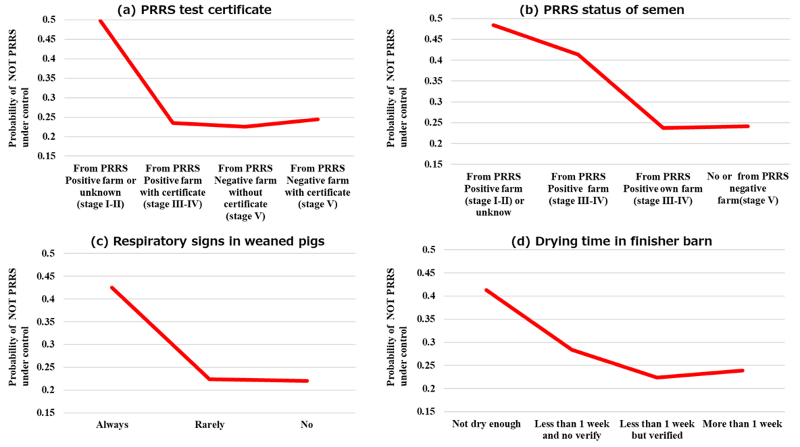
Fig 2. Degree of risk for important features identified in Study 1 (Control model)
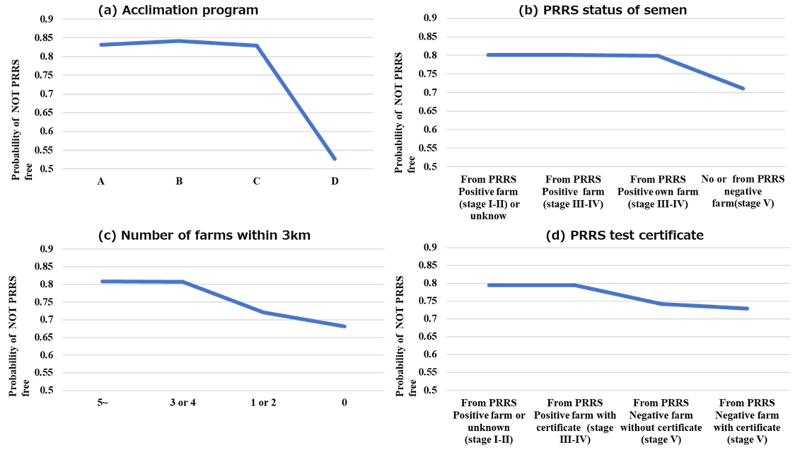
Fig 2. Degree of risk for important features identified in Study 1 (Control model)