



Go Forward

Exchange Students’ Voice / 交換留学生の声

「留学中は失敗を恐れず、何事にも挑戦してみてください。During your study abroad, don't be afraid of making mistakes, and try to challenge yourself in everything you do!」(Shenzhen University、T・Cさん)

Profile of the exchange student

Name(氏名): T・C
Home institution(所属大学): SHENZHEN UNIVERSITY
Period of exchange program(留学期間): 2026 Spring 

What brought you to study abroad in Japan? Why did you choose Meiji University? / 日本への留学を志したきっかけと、明治大学を選んだ理由

 私が明治大学を選んだ理由は、日本で質の高い教育を受けながら、自分の視野を広げたいと考えたからです。明治大学は長い歴史と高い評価があり、政治経済学部では経済や社会について幅広く学べる点に魅力を感じました。また、留学生へのサポートが充実していることや、多くの学生と交流できる環境も大きな理由でした。実際に入学してからは、授業だけでなく、さまざまな文化背景を持つ学生と交流する機会があり、多くの刺激を受けました。明治大学での学びや経験は、自分自身を成長させる貴重な財産になっていると感じています。

I chose Meiji University because I wanted to receive a high-quality education in Japan while broadening my perspective.

Meiji University has a long history and an excellent reputation. I was especially attracted to the School of Political Science and Economics because I could study a wide range of topics related to economics and society. I was also attracted by the support for international students and the opportunity to meet students from diverse backgrounds.

During my time at Meiji University, I had many opportunities to interact with students from different cultural backgrounds, both inside and outside the classroom. These experiences gave me new perspectives and inspired me in many ways. I feel that what I learned and experienced at Meiji University has been a valuable part of my personal growth.  

Do you take the Advanced Seminar course? If so, tell us the name of professor, the contents of the class, and what you like about Advanced Seminar. / 専門演習(ゼミナール)に所属していますか。所属している場合は、所属ゼミ名、所属しているゼミで学んでいる内容、ゼミ活動の感想等を教えてください。

Professor’s Name / 担当教員名: 武田巧先生 Prof.Takeda Takumi


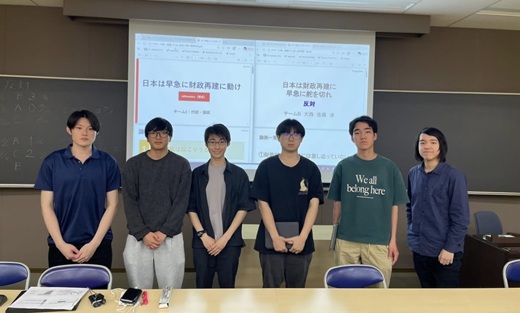
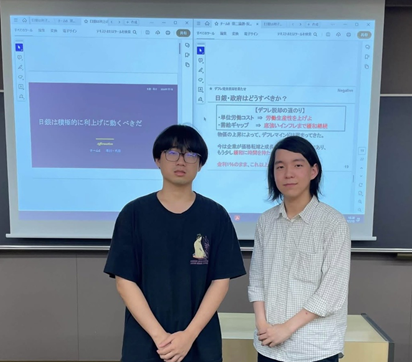
私は武田巧先生のゼミに所属しました。このゼミでは、日本の財政や金融を中心に学びました。例えば、「財政健全化」や「日本銀行の政策金利」など、日本経済が抱える課題について、講義を受けた後に調査を行い、発表やディスカッションを通して理解を深めました。また、『日本経済新聞』の記事を読む機会も多く、実際の経済ニュースを学びに結びつけることができました。私は経済学を専門的に学ぶのは初めてでしたが、先生が分かりやすく説明してくださるので、基礎から少しずつ理解できるようになりました。発表や討論では自分の考えを伝える力も身につき、経済をさまざまな視点から考える力が成長したと感じています。 

I joined Professor Takeda Takumi’s seminar (zemi) , where I mainly studied Japan’s fiscal and monetary policies. We learned about issues facing the Japanese economy, such as fiscal consolidation and the Bank of Japan’s policy interest rates. After lectures, we conducted research on these topics and deepened our understanding through presentations and discussions. We also had many opportunities to read articles from The Nikkei,, which helped me connect what I learned in class with real-world economic news.  This was my first time studying economics in depth, but Professor Takeda explained things clearly, so I gradually developed my understanding from the basics. Through presentations and discussions, I also learned how to express my own ideas and developed the ability to think about economic issues from different perspectives.
What do you like about Meiji University? / 明治大学の好きなところについて

(1) What is your favorite place on the campuses of Meiji University? / 明治大学のキャンパスで好きな場所はどこですか。

 私が明治大学のキャンパスで好きな場所は図書館です。留学中、何度も図書館を利用しました。特に、日本経済新聞を読むことができるため、日本の経済や社会について理解を深めることができました。また、授業の課題やレポートを作成する際にも、必要な資料を調べたり、集中して勉強したりする場所としてとても役に立ちました。静かで落ち着いた環境で勉強できることも、図書館が好きな理由の一つです。


My favorite place on Meiji University’s campus is the library. During my exchange program, I visited the library many times. In particular, I was able to read The Nikkei, which helped me deepen my understanding of Japan’s economy and society. The library was also helpful when I worked on assignments and reports. I liked it because I could study in a quiet environment and concentrate on my work.  

(2) What is your favorite subject (course) at Meiji University? / 好きな授業を教えてください。

Course title: Advanced Seminar (Lecturer: Prof. Takeda Takumi )


 武田巧先生のゼミです。英語で行われた外国経済書の講読とともに、日本語の演習にも挑戦しました。武田先生のゼミで初めて日本語のディベートに挑戦したことは、日本での学生生活の中で特に楽しかった経験です。準備はとても大変でしたが、自分の意見を日本語で伝える力を伸ばすことができ、とても良い経験になりました。

In Professor Takeda’s seminar, I worked on reading foreign economics books in English and also challenged myself to participate in seminar activities conducted in Japanese.Trying debating in Japanese for the first time in Professor Takeda’s seminar was one of the most enjoyable experiences of my student life in Japan.Although preparing for the debate was challenging, it was a valuable experience that helped me improve my ability to express and communicate my opinions in Japanese.


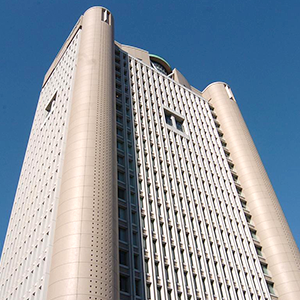
How is your life in Japan? / 日本で過ごした感想について

(1) What made you surprised during the study abroad in Japan? / 日本に留学して驚いたところは?

日本に来て驚いたことの一つは、物価の高さです。特に、外食や交通費について、中国と比べると少し高いと感じることが多くありました。普段の生活の中で、食事や移動にかかる費用の違いを実感し、日本で生活する上で大きな違いの一つだと感じました。


One thing that surprised me about Japan was the high cost of living. In particular, I often found that eating out and transportation were a little more expensive than in China. Through my daily life, I noticed the differences in the costs of meals and getting around, and I felt that this was one of the major differences in living in Japan.


(2) Comparing with your student life in/at your home country/institution, do you find anything that you particularly enjoy as well as anything challenging for you in your student life here in Japan? / 自分の国の学生生活と比べて、日本の学生生活で楽しいところ・大変だと感じるところはありますか?

■Things you particulartly enjoy / 楽しいところ

やはり武田先生のゼミで初めて日本語のディベートに挑戦したことが楽しかったです。また、日本のアニメやマンガなどの二次元文化を身近に感じられたことも楽しかったです。明治大学は秋葉原に近いため、私はよく秋葉原に行きました。週に2、3回訪れたこともあり、日本独特の文化を楽しみました。さらに、日本の建築や街並みもとても好きです。きれいに整備された街や、伝統と現代的なデザインが融合した建物を見ることができる点も、日本での生活の魅力だと感じました。
  

I especially enjoyed trying debates in Japanese for the first time in Professor Takeda’s seminar. I also liked experiencing Japanese anime and manga culture. Since Meiji University was close to Akihabara, I often visited there, sometimes two or three times a week, to enjoy Japan’s unique culture. In addition, I really liked Japanese architecture and cityscapes. I found it fascinating to see clean, well-maintained streets and buildings that combined traditional and modern designs.


■Things challenging for you / 大変なところ

日本での学生生活で大変だと感じたことは、やはり言葉の壁です。日常会話の中で、相手の話をすぐに理解できないことがありました。例えば、大家さんと電話でやり取りをするとき、早い日本語や普段使わない表現が出てくるため、聞き取ることが難しい場合がありました。しかし、そのような経験を通じて、もっと日本語を勉強したいという気持ちが強くなり、自分自身の成長にもつながりました。

As expected, the biggest challenge of studying in Japan was the language barrier. Sometimes, I could not understand what people were saying right away in everyday conversations. For example, I sometimes had trouble understanding my landlord on the phone because he spoke quickly or used unfamiliar expressions. However, these experiences made me more eager to study Japanese and helped me grow as a person.


About yourself and messages / ご自身について&メッセージ

(1) What is your dream for the future? / 将来の夢は何ですか?

 社会に役に立つ人間になることです。 


I want to become a person who contributes to society.


(2) Please introduce your home institution and your country./ 母校(所属大学)や母国の紹介をしてください。

 深圳大学は中国・広東省深圳市にある総合大学です。1983年に設立され、中国の改革開放とともに発展してきました。現在は多くの学部や大学院があり、経済、工学、情報、文学、法学など幅広い分野を学ぶことができます。また、国際交流にも力を入れており、多くの留学生を受け入れています。深圳は中国を代表するイノベーション都市であり、大学と企業との連携も盛んです。実践的な学習環境が整っていることが、深圳大学の大きな魅力だと思います。 

Shenzhen University is a comprehensive university located in Shenzhen, Guangdong Province, China. It was founded in 1983 and has developed alongside China's reform and opening up. Today, it offers many undergraduate and graduate programs in a wide range of fields, including economics, engineering, information technology, literature, and law.

The university also focuses on international exchange and welcomes many international students. Shenzhen is one of China's leading cities for innovation, and the university works closely with companies. I think one of the best things about Shenzhen University is that it offers many opportunities to gain practical experience.

(3) Please give some messages for Meiji University students / 明大生へのメッセージをお願いします。

 留学は新しい環境に飛び込むので、不安を感じることもあると思います。しかし、その一歩を踏み出すことで、多くの出会いや学びを得ることができます。私も最初は日本語や生活に不安がありましたが、先生方や友人の支えのおかげで充実した留学生活を送ることができました。ぜひ積極的に授業や課外活動に参加し、さまざまな人と交流してみてください。きっと忘れられない経験になり、自分自身の成長につながると思います。皆さんの留学生活が実りあるものになることを願っています。

Studying abroad means stepping into a new environment, so it is natural to feel anxious at times. However, taking that first step can lead to many new encounters and learning opportunities. I was also worried about my Japanese language skills and daily life when I first arrived, but thanks to the support of my professors and friends, I was able to enjoy a fulfilling study abroad experience.

I encourage you to actively participate in classes and extracurricular activities and interact with a wide variety of people. I am sure these experiences will become unforgettable memories and help you grow as a person. I hope you all have a rewarding and meaningful exchange student life.

(4) Please give some messages for international students who wish to come and study at Meiji University as an exchange student. / これから明治大学に留学することを志している方へのメッセージをお願いします。

 明治大学での留学生活は、勉強だけでなく、自分自身を成長させる貴重な経験になると思います。最初は言葉や生活の違いに戸惑うこともありますが、積極的に行動すれば、多くの友人や先生方が支えてくれます。授業では日本の学生と意見交換をする機会も多く、日本語力だけでなく、物事を多角的に考える力も身につきます。また、休日には東京のさまざまな場所を訪れ、日本文化を実際に体験することもできます。留学中は失敗を恐れず、何事にも挑戦してみてください。きっと充実した留学生活になり、忘れられない思い出になると思います。


I think studying abroad at Meiji University will help you grow both personally and academically. At first, you may feel confused by the language and differences in everyday life, but if you take the initiative and get involved, many friends and professors will support you. In class, you have many opportunities to exchange opinions with Japanese students, which helps you develop not only your Japanese skills but also your ability to think about things from different perspectives.    On your days off, you can also visit various places in Tokyo and experience Japanese culture for yourself. During your study abroad, don't be afraid of making mistakes, and try to challenge yourself in everything you do. I believe you will have a fulfilling study abroad experience and make many unforgettable memories.